
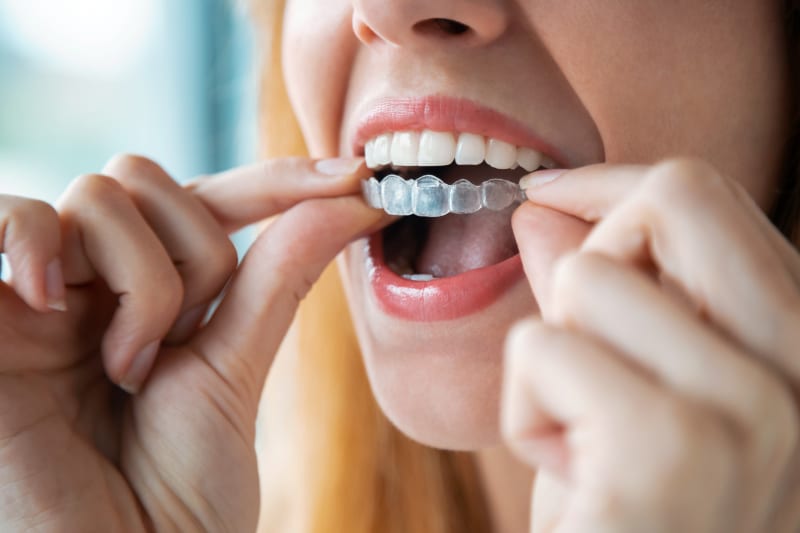
Coming to the end of your orthodontic treatment is an exciting milestone. After months or even years of braces or Invisalign, your teeth are finally straight, your bite feels comfortable, and your smile looks the way you dreamt of.
Many patients are surprised to learn that orthodontic treatment is not truly finished the day the braces come off. The after-treatment phase, including wearing retainers, is just as important as the active correction phase.
Why Teeth Shift After Braces
Naturally, teeth want to move throughout life. Even after braces have repositioned them, the gums, surrounding bone, and ligaments need time to adjust. The tissues around the teeth have memory and may try to shift the teeth back to their previous alignment.
Several factors contribute to orthodontic treatment relapse:
- Natural aging and shifting of teeth over time
- Pressure from chewing and biting
- Tongue posture and oral habits
- Growth changes in the jaw
- Incomplete stabilization of bone and soft tissues after treatment
- The lower front teeth are prone to crowding over time, even in patients who had orthodontic treatment in earlier years. This is particularly common among adult patients who complete treatment and later become less consistent with retainer wear.
This is why retainers are recommended as a long-term aftercare to maintain the desired alignment.
How Quickly Can Relapse Happen?
Many patients believe that their teeth will remain stable and in their desired alignment after just a few months of retainer wear. Unfortunately, relapse can happen much faster than many people initially expected.
After only a few months, some patients stop wearing their retainers because they believe their teeth feel fine. Within weeks, they may notice small gaps returning or the lower front teeth beginning to shift and overlap. Initially, these changes may seem minor, but gradual shifting can continue, and further treatment may be required.
It is very common for patients to break or lose a retainer and delay replacing it. Even without a short period of time, without retention, teeth can move. Patients may discover that when their replacement retainer arrives, it no longer fits snugly because crowding has already begun.
The Purpose of Retainers
The main purpose of retainers is to hold teeth in their desired positions while the surrounding tissue, gums, and fibres stabilize, reducing the risk of relapse.
Two primary types of retainers:
Removable Retainers
These can either be clear plastic retainers or traditional wire retainers. Typically custom-made to fit your teeth and usually recommended to be worn full-time before transitioning to nighttime wear.
Removal retainers are popular as they are easy to clean and allow flexibility in day-to-day life. Their success depends on patient compliance, and teeth can shift if not worn consistently.
Bonded Retainers
Bonded retainers consist of a thin wire permanently attached behind the teeth, typically along the lower front teeth. They provide continuous retention and help prevent crowding in areas that are more prone to relapse.
Bonded retainers can be an excellent option for patients with high-relapse cases or individuals who may struggle with remembering removable retainers. In many cases, orthodontists recommend a combination of bonded and removable retainers for optimal long-term stability. If you have questions about which retainer option is right for you, our FAQs page covers many of the concerns patients ask about after treatment.
Retainers Protect Your Investment
Orthodontic treatment requires commitment of time, finances, and effort. Patients frequently attend appointments, follow instructions carefully, and spend months or years working towards their goals.
Being inconsistent in wearing your retainers can undo much of that progress.
Correcting the shifting once relapse has occurred may require additional orthodontic treatment, which may involve additional costs, more appointments, and extended treatment time. In many cases, relapse could have been prevented simply through continuous retainer wear. If you're weighing the cost of correcting relapse against the cost of routine retainer care, our financial considerations page outlines what to expect.
Wearing retainers as prescribed helps preserve:
- Tooth alignment
- Bite correction
- Smile aesthetics
- Jaw function
- Long-term oral health
Fundamentally, retention is about maintaining the results you have worked so hard to achieve.
Store Retainers Properly
Retainers are easily misplaced or damaged when not stored properly. Wrapping them in napkins during meals or placing them loosely in pockets can often result in accidental breakage or disposal.
It is best practice to store removable retainers in their protective case when not in use. Proper storage reduces the risk of costly replacements and unexpected relapse.
Prevention Tips for Long-Term Success
The most important rule is consistency, and follow the orthodontist's instructions carefully.
Typically, orthodontists will recommend a full-time retainer immediately after braces are removed, followed by nightly wear long-term.
Some patients assume they can stop wearing retainers after a year or two, but teeth continually shift naturally throughout life. Nightly retainer wear is often recommended indefinitely to maintain alignment. Even missing several nights in a row can allow small movements to begin.
Regular Orthodontic Checkups
Once active treatment ends, periodic check-up appointments remain just as important. Orthodontists can evaluate retainer fit, monitor for natural shifting, and identify issues with bonded retainers before problems become more complex.
Routine retention checkups help ensure long-term stability and allow adjustments when necessary. You can easily schedule a retention checkup through our online appointment scheduling page.
Remember, retainers are not optional. They are the final and most important phase of orthodontic care. By wearing them as prescribed and maintaining long-term retention habits, patients protect their smile and avoid any further treatment.